
Football, Medicine and the Beautiful Game: Why Doctors Just Can't Leave Football Alone From hospital corridors to international stadiums, there's a surprising relationship between medicine and the wo
Football, Medicine and the Beautiful Game: Why Doctors Just Can't Leave Football Alone
Football, Medicine and the Beautiful Game: Why Doctors Just Can't Leave Football Alone
From hospital corridors to international stadiums, there's a surprising relationship between medicine and the world's most popular sport.
Imagine this.
It's Friday afternoon. You've survived a week of ward rounds, emergency admissions, theatre lists, difficult conversations and a few too many coffees.
- Your phone buzzes.
- It's not another roster change.
- It's your football team.
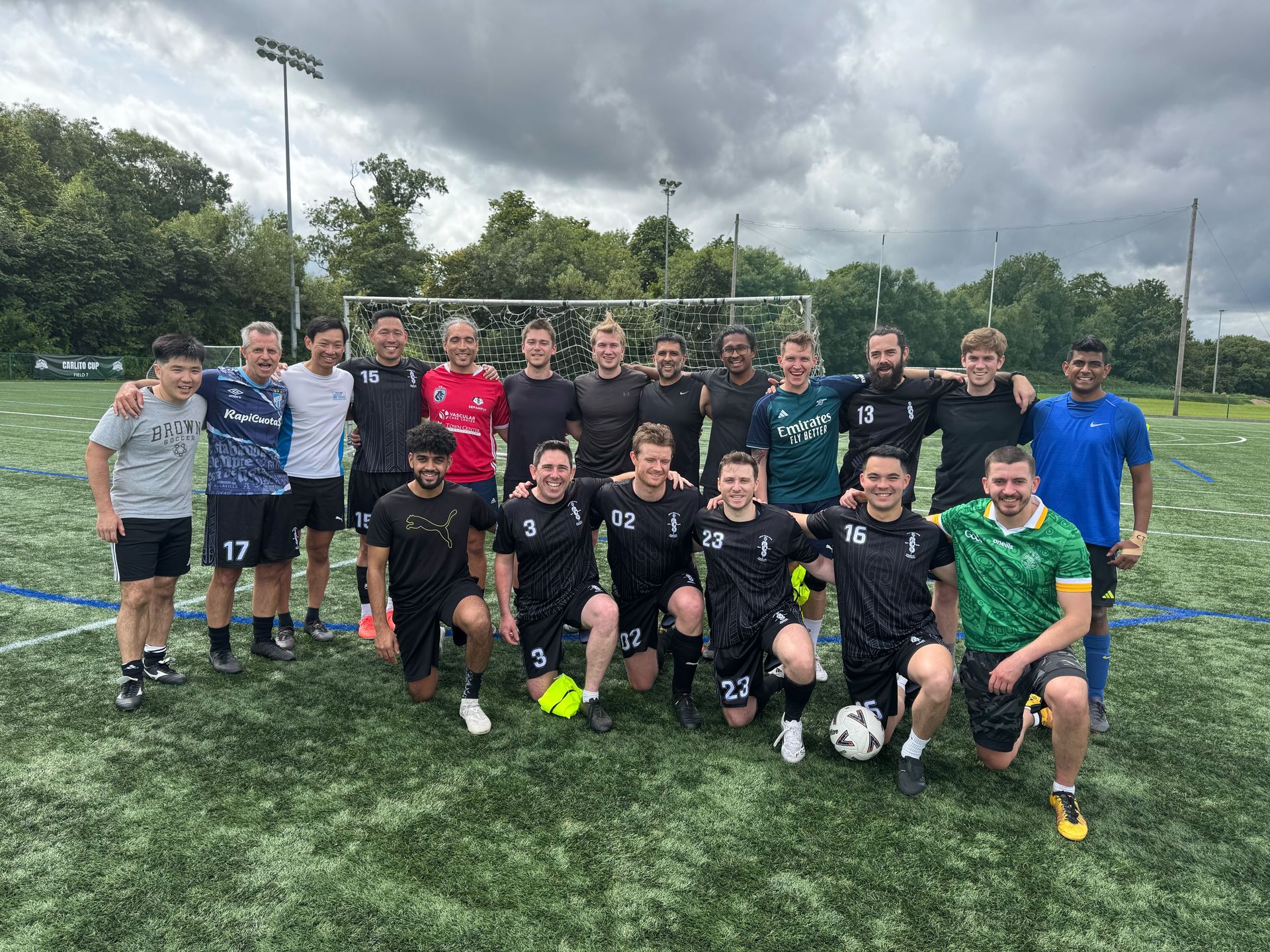
You're flying to Costa Rica to represent your country at the World Medical Football Championship.
Yes, doctors have their own Football World Cup. And it's brilliant.
We're talking about GPs, emergency physicians, surgeons, anaesthetists, psychiatrists and medical specialists swapping scrubs for football boots, hospital corridors for changing rooms and clinical handovers for half-time team talks.
And in December 2026, they're heading to Costa Rica.
Doctors and football: A match made in medical heaven?
Think about it. Medicine and football have quite a lot in common.
Both require teamwork. Both involve split-second decisions. Both can go spectacularly wrong when someone refuses to communicate.
And both have at least one person who thinks they should be in charge of everything.
There's a reason so many doctors love sport.
After spending your working week responsible for other people's health, sometimes you need something that has absolutely nothing to do with medicine.
You need to run around, shout at your mates, miss an open goal and spend the next three days explaining why the pitch was terrible.
- It's wonderfully uncomplicated.
- Until you pull your hamstring.
- Then suddenly you've got 15 doctors arguing about the diagnosis.
- The extraordinary world of footballing doctors
- Some of football's most fascinating personalities have also studied medicine.
- Take Sócrates, the legendary Brazilian midfielder.
- Captain of Brazil at the 1982 World Cup, a qualified doctor and one of football's great thinkers.
- He was famous for his intelligence, effortless passing and iconic beard.
His medical degree wasn't some honorary title. He genuinely studied medicine while developing his football career.
Then there's Nadia Nadim, the Danish international footballer who qualified in medicine while competing at the highest level.
Her journey from Afghanistan to international football and medicine is remarkable.
Two very different people, different generations, different journeys.
But both challenge the idea that you must choose between a medical career and your other ambitions.
And that's something worth celebrating.
Sports medicine: Where the two worlds collide
For doctors interested in sports medicine, football is an extraordinary classroom.
A 90-minute match can involve almost everything:
- Acute musculoskeletal injuries
- Concussion recognition and management
- Exercise physiology and performance
- Rehabilitation and return-to-play decisions
- Heat exposure, hydration and recovery
- Psychology, resilience and team dynamics
And then there's the real-world challenge of balancing performance with long-term health.
- Should a player return after an injury?
- When does fatigue become a medical concern?
- How do you manage concussion when a player insists they're fine?
These are serious questions that sports and exercise medicine professionals confront regularly.
Football reminds us that medicine isn't confined to hospitals and consulting rooms.
Sometimes it's happening on a touchline, in a dressing room or halfway through a penalty shootout.
The best thing about football? The people you meet.
There's something special about making friends through sport.
You can meet someone from the other side of the world, barely speak the same language, and within ten minutes you're arguing about whether that was a penalty.
Football has an extraordinary ability to connect people.
For doctors, those connections can be even more meaningful.
You might meet a GP from New Zealand, an emergency physician from Ireland, a surgeon from Canada or an anaesthetist from Australia.
Different healthcare systems. Different working environments. Different career journeys.
But one shared love of the game.
And suddenly you're discussing everything from football tactics to what it's like working in another country.
That's the magic of the World Medical Football Championship.
Costa Rica 2026: More than a football tournament
This December, doctors from around the world will gather in Costa Rica for the World Medical Football Championship.
And we'll be there.
I'm travelling with my family to support friends, meet doctors from around the world and experience a tournament that celebrates far more than football.
We'll be sharing the personalities, the stories, the funny moments and the friendships that make this event special.
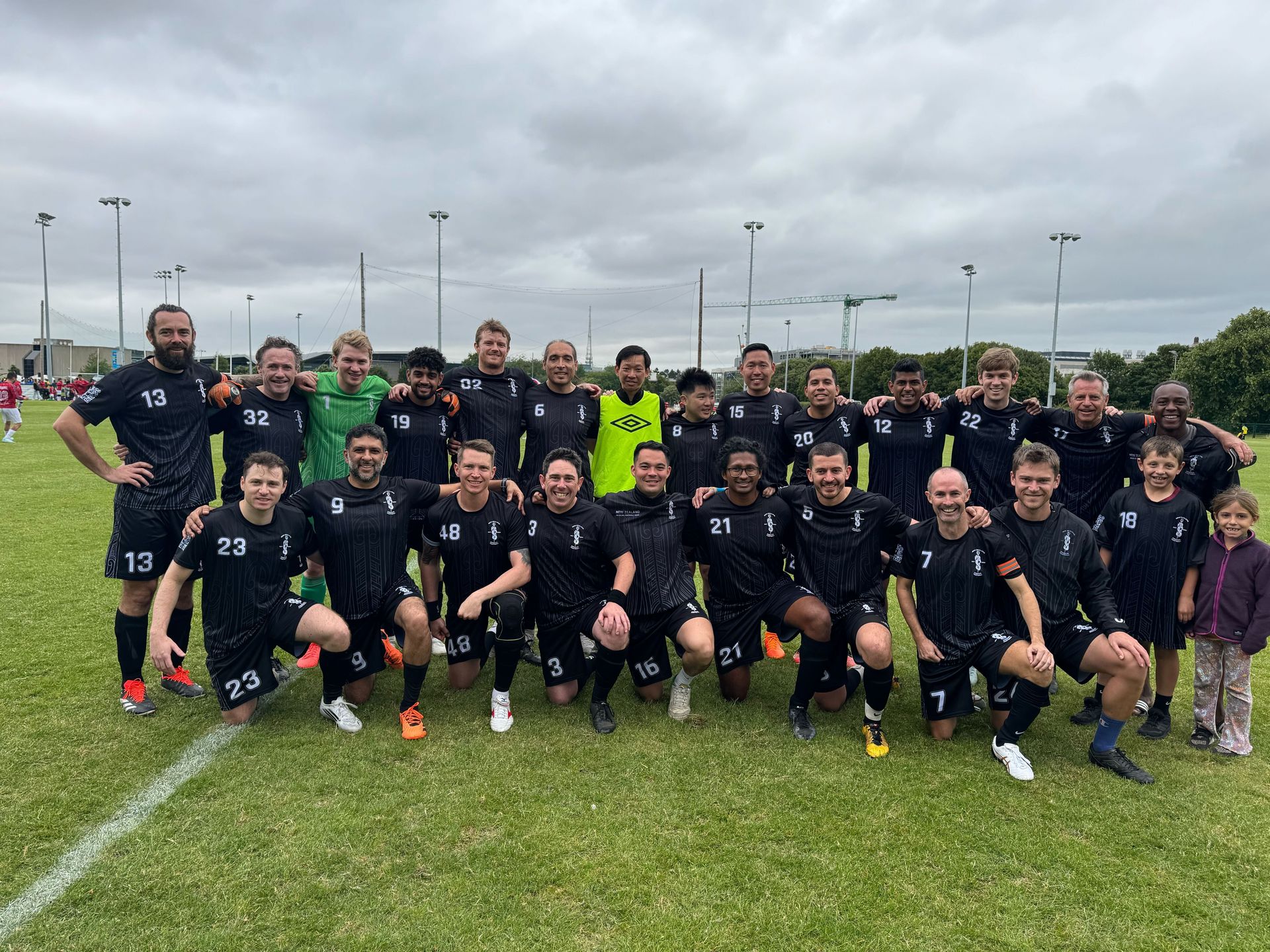
We'll also be following the Australian and New Zealand medical football communities, including the Docceroos, Medtildas and Kiwis.
Because whether you're a doctor playing for your country or watching from the other side of the world, this is something worth getting behind.
Your medical career should make room for a life.
At Blugibbon, we spend our days talking to doctors about their careers.
But some of the most interesting conversations aren't about medicine at all.
They're about family, travel, surfing, football, adventure and what people want from life.
For some doctors, that means taking locum assignments around Australia.
For others, it means moving from the UK or Ireland to Australia for a new permanent role and a different lifestyle.
And for some, it simply means finding a working arrangement that leaves enough time for Saturday football.
- Because being a doctor is an important part of who you are.
- But it shouldn't have to be the only part.
- See you in Costa Rica.
- Sam Whitaker | Mr Gibbon & Founder of Blugibbon
- Are you a doctor thinking about your next adventure?
Australian and New Zealand doctors can explore locum opportunities across Australia, while UK and Irish doctors can speak with our team about permanent medical careers in Australia.
Visit www.blugibbon.com.au or follow our adventures at www.mrgibbon.me.
Recent Posts


