Locum GP Emergency Work on Norfolk Island, Pacific Ocean: What Doctors Should Know Before They Go
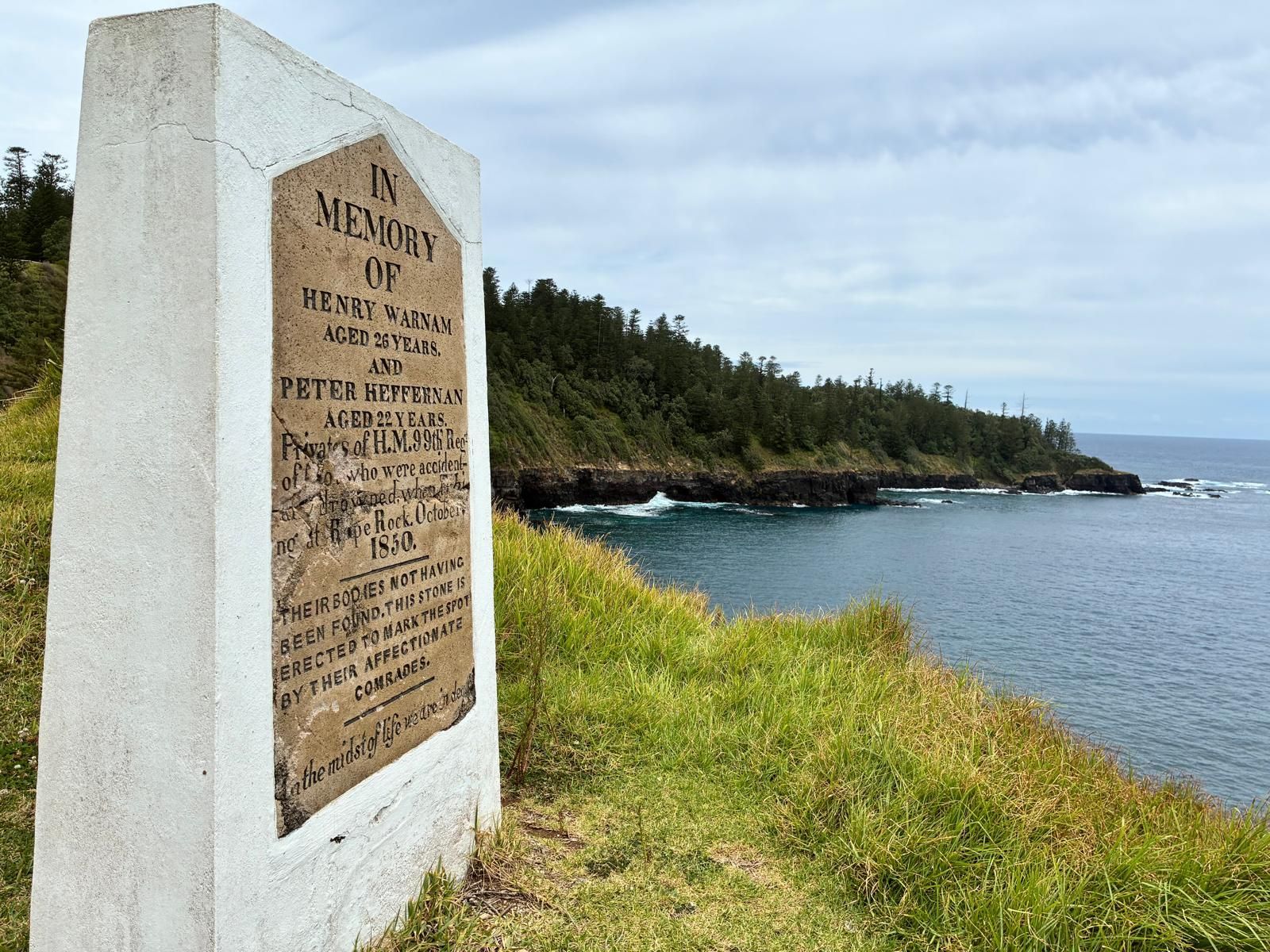
For experienced GP Emergency doctors and rural locums, Norfolk Island is one of the most remote and unusual medical placements available in Australia. This is not a typical locum role. It is a high responsibility environment that requires confidence, resilience, and a realistic understanding of what isolated medicine involves.
At Blugibbon, we believe doctors deserve clear, accurate information before committing to remote or offshore locum work. The aim is always to match the right doctor to the right environment. What follows is a grounded overview of GP Emergency work on Norfolk Island, based on firsthand experience during a particularly busy Christmas and New Year period.

Norfolk Island: Location and Clinical Context
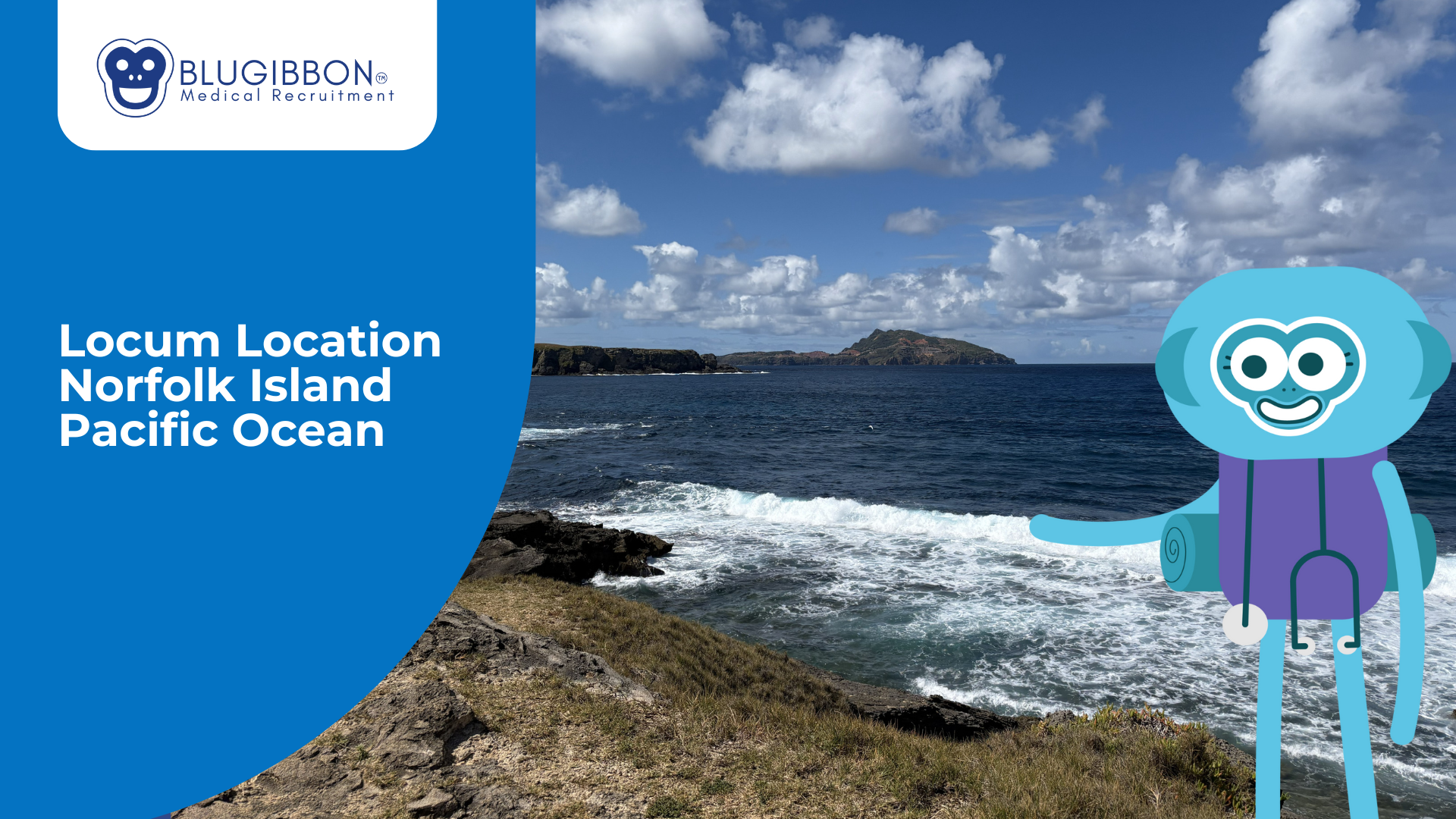
Norfolk Island is a small external territory located around 1,400 kilometres east of mainland Australia. The island services a small permanent population, with clinical demand increasing significantly during peak tourist seasons.
Medical practice on the island is shaped by geography and isolation. Doctors work with limited onsite resources and delayed retrieval options, meaning clinical independence and sound judgement are essential. This is not a setting where backup is immediately available.
This type of placement is best suited to senior GP Emergency doctors and rural generalists who are confident managing acute presentations without immediate specialty support.
Roster Structure and Workload Realities
One of the most important aspects for doctors to understand before accepting a Norfolk Island placement is the roster model.
New locums are typically placed on a three-day continuous on-call block. This involves daytime clinical responsibility combined with overnight on-call duties across the same period. During busy times of year, this can result in frequent overnight call-outs.
While this model may work in quieter periods, during peak seasons it can be physically and mentally exhausting. Doctors should not expect this to be a low-intensity island role. Fatigue management becomes a real consideration, particularly when overnight call-outs interrupt rest repeatedly.
Any doctor considering Norfolk Island should ensure they have a clear written roster, a detailed understanding of on-call expectations, and realistic discussions around workload before accepting the role.
Nursing Model and Call Out Drivers
Most nursing staff on Norfolk Island are locum nurses. While generally clinically capable, this staffing model can influence overnight workload.
Without long standing local knowledge or authority, nurses may feel less confident reassuring patients or declining low acuity presentations. As a result, doctors may experience higher than expected overnight call outs for issues that would not typically require medical review in other settings.
This contributes to disrupted sleep and increased fatigue for the on call doctor and is an important factor to understand upfront.

Clinical Governance and Risk Tolerance
Norfolk Island operates with significant diagnostic and retrieval limitations.
On-site services include X-ray, ultrasound, and point-of-care pathology. There is no CT scanner on the island. Medical evacuations require careful consideration, and retrieval flights take a minimum of six hours from activation to arrival.
Doctors should be aware that evacuation thresholds can be conservative, and decision-making is often influenced by logistical constraints as well as clinical factors. This can place doctors in challenging situations where risk tolerance differs from what would be considered standard practice on the mainland.
This environment requires doctors who are comfortable with high-risk decision-making, clear documentation, and advocating strongly for patient safety when required.
Induction and Professional Environment
Induction on Norfolk Island can feel abrupt. Doctors should be prepared for limited formal onboarding and a fast transition into full responsibility.
Clear communication before arrival is essential. Any ambiguity around roster, expectations, or scope of practice can significantly impact how the placement feels once on-site. This is not a role where issues are easily resolved after arrival, so preparation matters.

Technology and Connectivity
Connectivity is limited and can cause practical challenges if not anticipated.
Doctors are not provided access to hospital WiFi, and mainland mobile phones may not work reliably. This can affect access to emails, clinical systems, and two-factor authentication linked to services such as PRODA.
These limitations are manageable if known in advance, but can be frustrating if unexpected. Doctors should plan ahead and prepare alternative access where possible.
Accommodation and Living Costs
Accommodation is hospital arranged and generally comfortable, but may feel unsuitable for longer stays. Cooking facilities are often limited, which can be challenging over several weeks.
As with most isolated island locations, groceries are significantly more expensive than on the mainland, often costing two to three times as much. This should be factored into any assessment of overall remuneration.
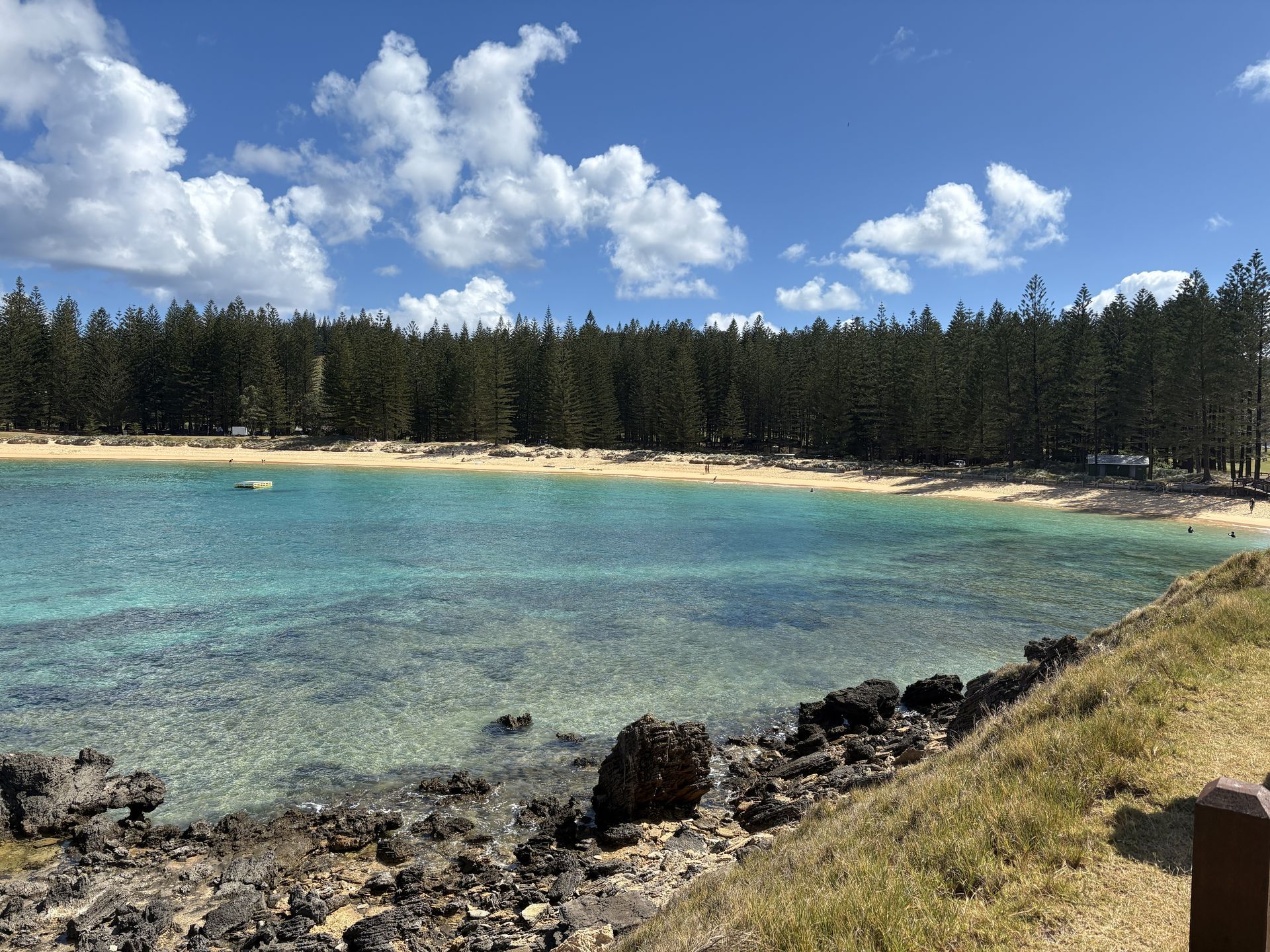
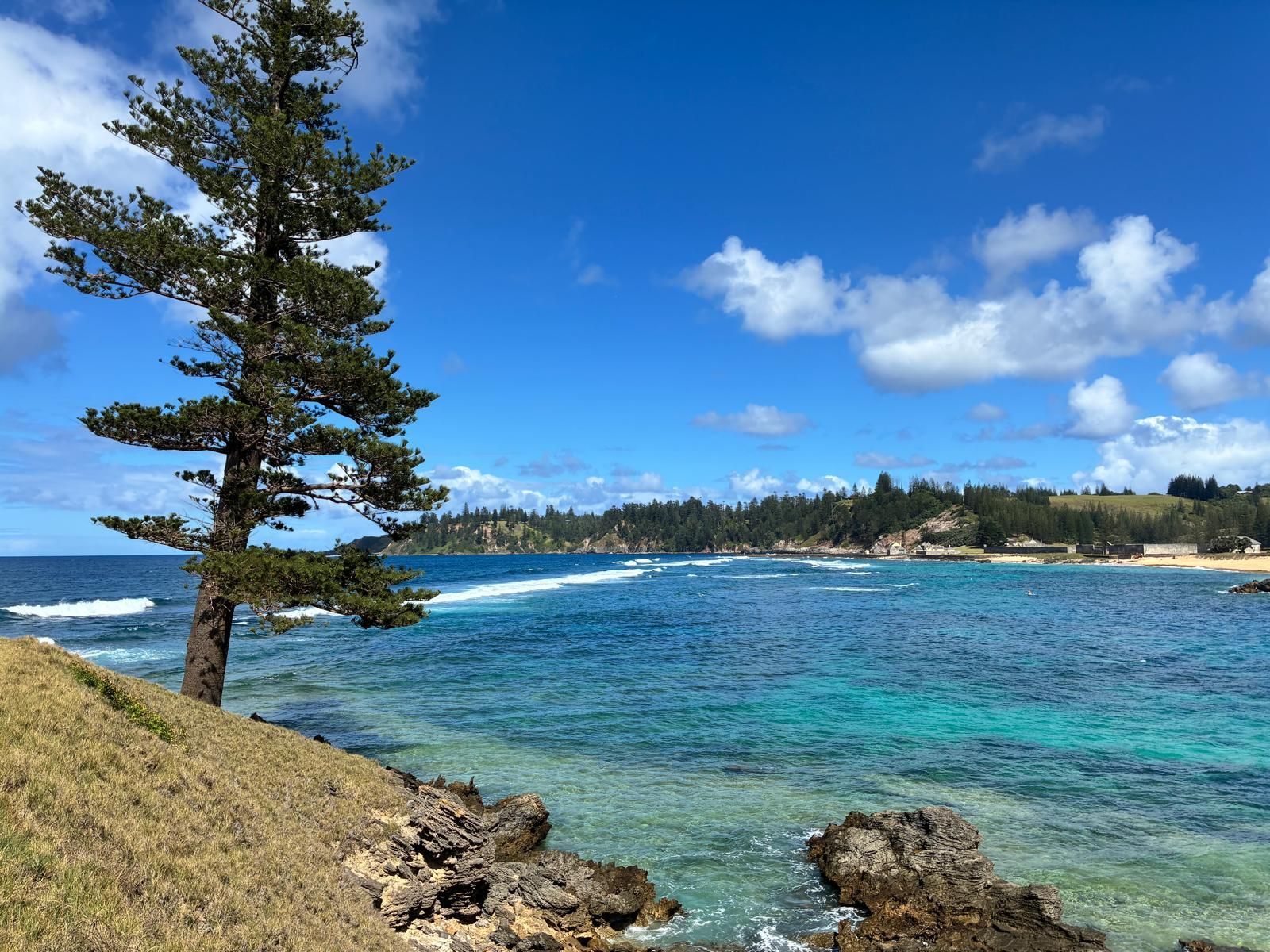
Emily Bay
Lifestyle and Time Off
Norfolk Island offers beautiful natural surroundings, with excellent snorkelling at Emily Bay and Slaughter Bay when tides allow. Wildlife and birdlife are major highlights.
That said, it is a very small and quiet island. Activities are limited, and the sense of isolation can set in quickly for some doctors. This location suits those who enjoy simplicity, nature, and time alone rather than social variety or entertainment.
Who Is This Role Actually Suited To
Norfolk Island is not a universal fit, and it should never be marketed as one.
This placement is best suited to highly experienced GP Emergency doctors and rural generalists who are comfortable working autonomously, managing fatigue, and making complex decisions in a resource-limited environment.
It is not suitable for doctors expecting a quiet island job, low-risk on-call, or strong in-house specialty support. Clear expectations are critical to a successful placement.

Blugibbon’s Approach to Remote GP Emergency Placements
At Blugibbon, our role is not to oversell remote locations. It is to ensure doctors understand them fully before committing.
For high-risk and offshore GP Emergency locum roles, we prioritise honest conversations, transparent rosters, realistic workload discussions, and support throughout the placement. When the fit is right, these roles can be professionally stretching and deeply memorable.
Remote medicine done well starts with preparation, trust, and clarity.
Considering Remote GP Emergency Locum Work?
If you are an experienced GP Emergency doctor considering remote or offshore locum opportunities, Blugibbon can help you assess suitability, understand the true workload, and prepare properly before you go.
Speak with recruiters who understand remote medicine, not just rosters.
Because in places like Norfolk Island, experience matters, and preparation makes all the difference.
📧 hello@blugibbon.com.au
📞 02 8960 6445
Recent Posts