April 5, 2022
Locum Location - Offshore/Vessel
Recently one of our adventurous Blugibbon locums, headed off to work for one of our clients on a large offshore construction vessel as a ship doctor.
He kindly journaled about the experience and shared his notes with us, so we can let you know more about this unique experience (and perhaps you may head off to a similar assignment through us soon?).
GENERAL TOP TIPS
Generally, day-to-day work is very similar and structured. Meal times are essentially fixed, with breakfast served from 5 am and you will be pleased to hear the food is amazing!Accommodation takes the form of a cabin; they are okay and manageable, but be prepared to bring some earplugs if possible, as the air conditioning can get a little loud.
You must bring your own coffee if you are a connoisseur; the default option on board is not great, and it’s to be expected.
The internet can be sketchy, but works if you get the Medic cabin, and strangely, if you keep the clinic door open, it improves the Wi-Fi signal! To make a clear phone call you can use the phone in the Doctor’s office, entering a code before you begin. You can also use the designated calling booths and dial 9 before inputting a number the normal way.
It pays to be with Telstra as your provider as you can use your mobile phone to make normal calls over Wi-Fi. Bringing extra personal care items is recommended; they have toiletries on board, but for that extra comfort, it is worth bringing your own too.
A TYPICAL DAY
0600 to Lunch
- Quick handover in the clinic (nights are covered by a paramedic).
- Go through emails.
- Organise your diary for the day – it can be quiet at times so bring your laptop if you need it.
- Clinical work.
1100 to 1245
- Lunch (at 1246 they will pack up very fast).
Lunch to 1800
- Clinical work.
1800
- Clinical workday ends (handover to a paramedic).
1700 to 1845
- Dinner (again, this will finish sharply at 1846).
WEEKLY JOBS
- Preferably on Mondays:
- Clinic visits summary.
- Hygiene and inspection round – the Captain will arrange timings.
- Fatigue assessment – the forms are straightforward.
MONTHLY JOBS
The monthly jobs took a whole week and the main tasks are:
- Eye wash stations inspection.
- Emergency shower station inspections.
- Stretcher inspections.
- The vessel is expansive, and there are almost 100 little things to check too in the 40-degree heat.
CLINIC VISITS
- All work-related injuries are taken seriously and the HSE (Health Safety Environment) team (in the next office) needs to know asap – they will then classify the injury and write reports, etc.
- Eye foreign bodies are quite common – more common than in a normal Emergency Department.
- Referrals onshore are more complicated than calling RFDS (Royal Flying Doctors Service) – you complete a form, take this form to the Captain, the Captain calls RFDS and explains the coordinates, then you talk to RFDS in the usual way (in that order, and do not forget the form!)
- Medivac takes a bit of planning and they use a PHI helicopter (search and rescue type), they are the only type that can go that far (400 km off the coast).
- It helps to call the on-call Consultant just to second your decision to transfer to Broome (this is also sometimes to Darwin).
- I have not had to transfer many people at all, but the medicos before me had a trauma case and an MI (Major Incident).
- In general the medical part of the role is fairly laid back, particularly if you are used to a busy Emergency Department, and you will have some time to unwind, take a walk to the front of the vessel and marvel at the ocean.
OTHER POINTS OF INTEREST
The staff are truly great. If you hear a loud laugh that is probably from the HSE office, always ask them for any help. They have a great resilient Australian spirit.
There are challenges of course and these can include a long, loud helicopter ride, the lack of good coffee and surprisingly dealing with simple presentations in the clinic, as we are all too used to the MI’s and trauma.
Overall, it is a memorable experience, one I would not have dreamt of previously, and I would go back if called upon again.
If you are looking for something similar to our Locum Doctor’s adventure, get in touch with Blugibbon today on hello@blugibbon.com or call 02 8960 6445.
Read More Locum Interviews today!

Recent Posts

Why Western Australia Should Be the First Choice for UK and Irish Doctors
Regional ED, Supportive FACEMs and a Proper Country Town Feel
Why visit and work in Norwich in 2026? Discover its career opportunities, lifestyle, culture, and why Norwich is an appealing destination for locum professionals.

Blugibbon's 2026 guide for UK doctors covers AHPRA registration, Competent Authority, specialist pathways, Australian salaries, hospital jobs, visas and relocation.
Discover Cooma ED locum opportunities in rural NSW with Blugibbon. Enjoy a supportive team, practical emergency medicine, and a brilliant Snowy Mountains lifestyle.
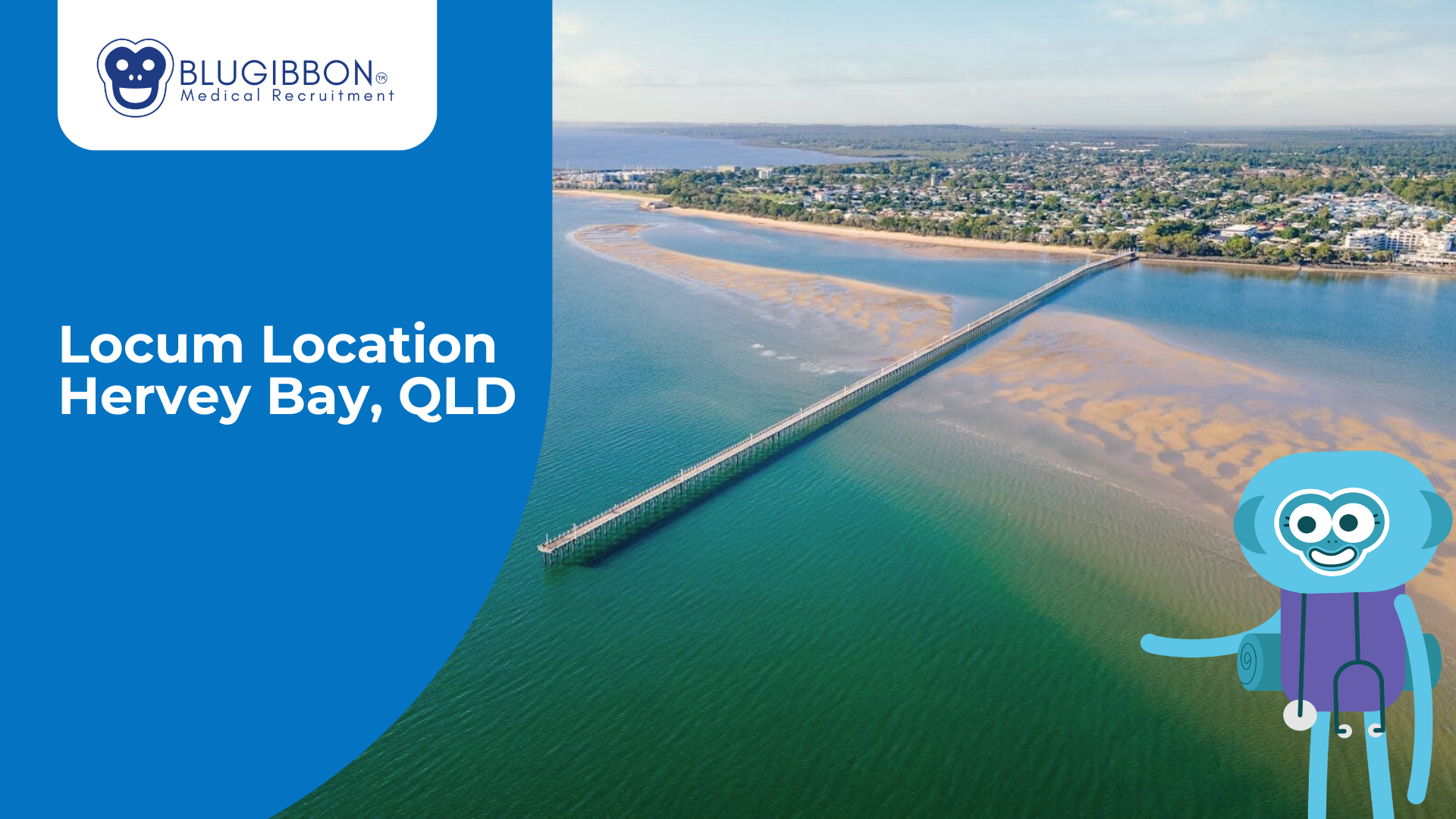
Discover locum emergency doctor work in Hervey Bay, QLD with Blugibbon. Explore hospital facilities, coastal lifestyle, accommodation, and ED roles today.